DORÇE is one of Turkey’s strongest global brands in prefabricated steel modular production and international contracting. For over 10 years, it has ranked among ENR’s Top 250 International Contractors. With in-house production, DORÇE delivers housing, schools, hospitals, military bases, refugee camps, prisons, and workforce accommodations worldwide using both Modern Methods of Construction (MMC) and traditional building techniques.
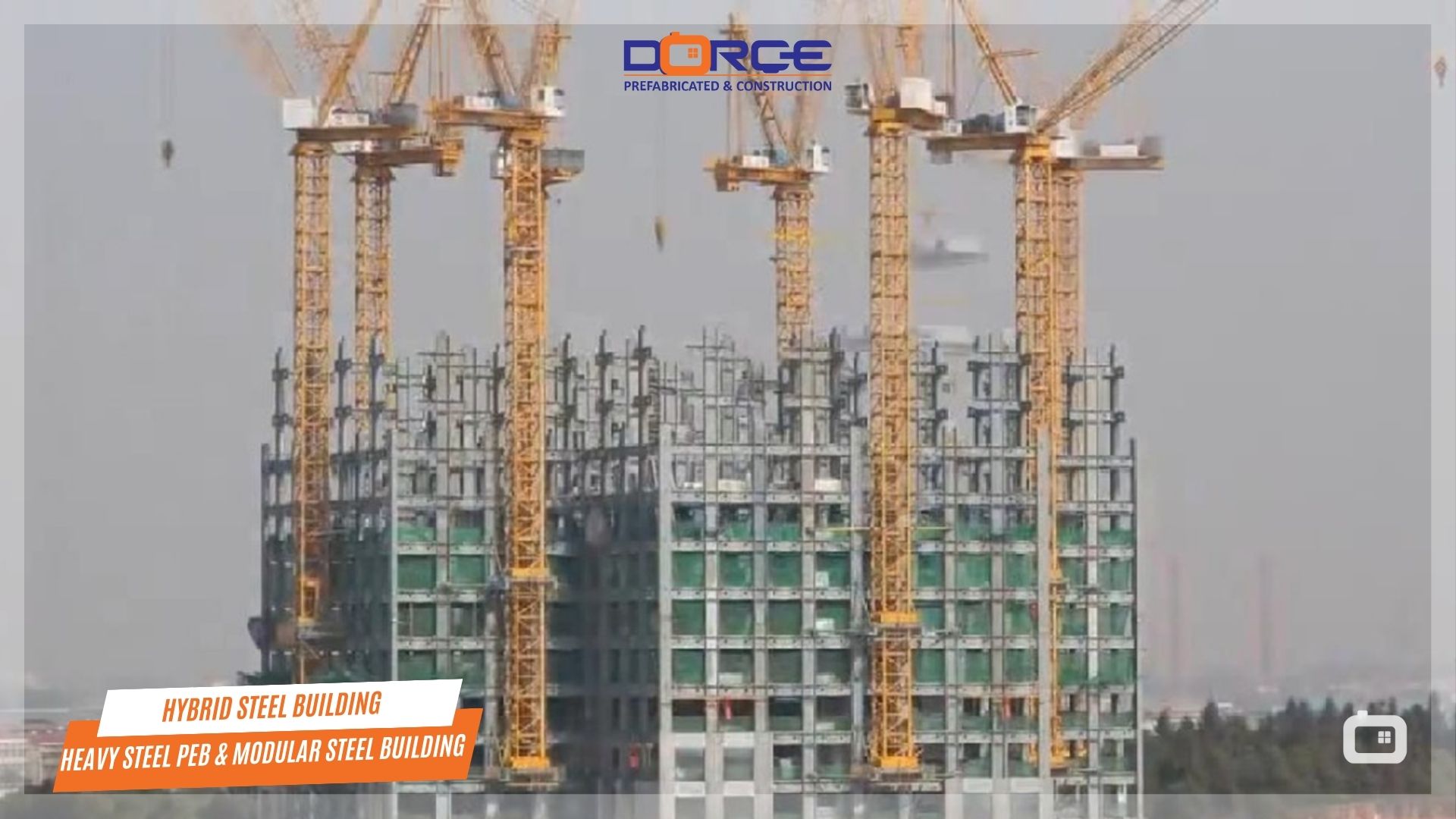
In this system, areas of the building requiring large spans and heights are constructed with heavy steel structures, while other sections are built using modular steel units.
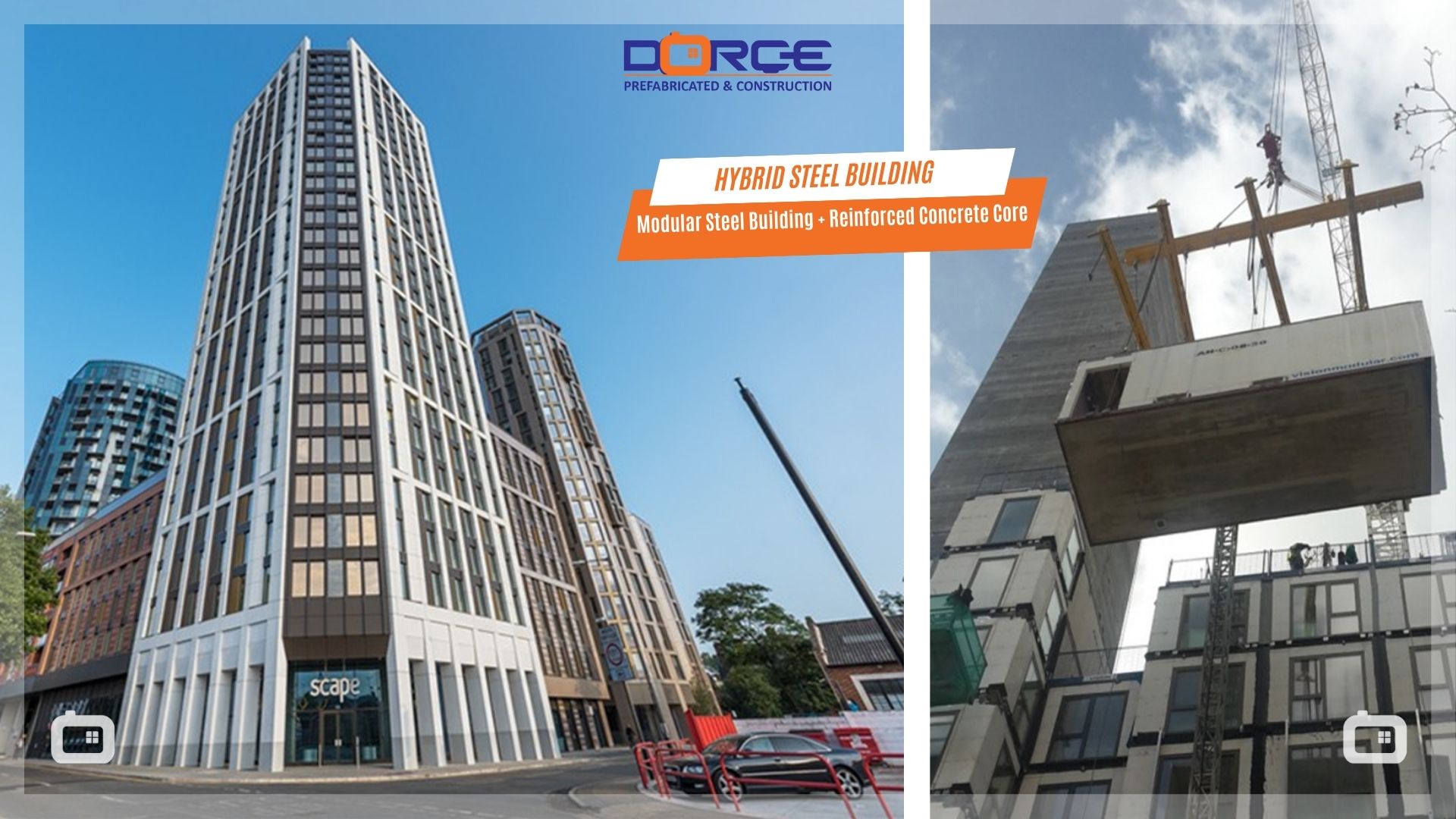
The Modular Steel Structure with Reinforced Concrete Core system is a hybrid model combining a concrete core with prefabricated steel modules. Elevator shafts, stairs, and the main load-bearing core are built from reinforced concrete, while other building areas consist of factory-made volumetric (3D) steel modules completed up to 90%. These modules are integrated on-site with the concrete core to provide structural stability in high-rise buildings. This system offers lightness, fast assembly, and flexibility, commonly used in multi-story offices, hotels, residences, hospitals, and public buildings requiring high strength.
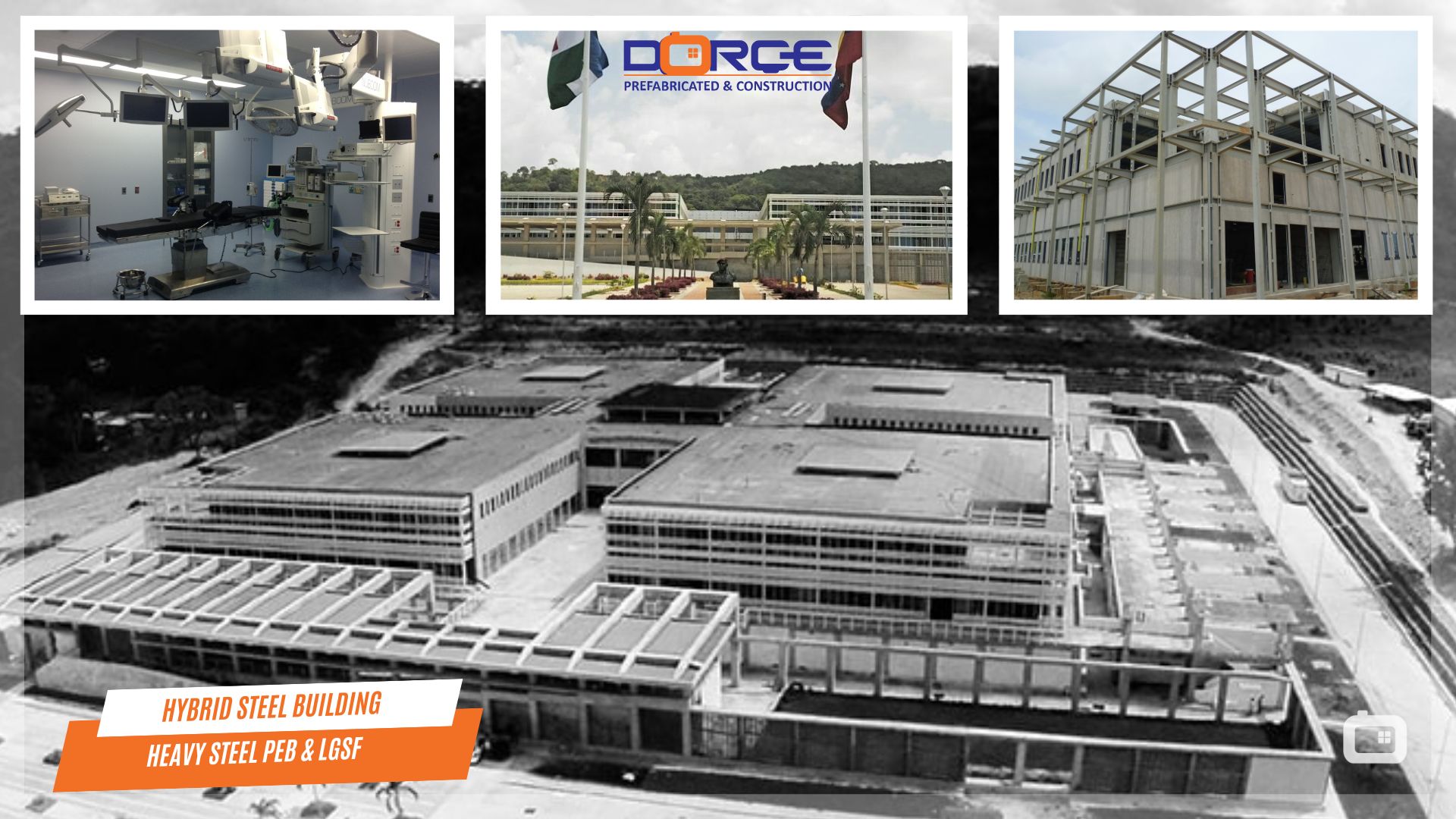
The hybrid system combines heavy steel and light gauge steel to deliver both strength and flexibility, ideal for large-span projects. Heavy steel profiles form the main load-bearing frame, while interior partitions and lighter elements use light steel systems. Factory-made heavy steel columns and beams are assembled on-site with cranes, followed by light steel panels and trusses. This integration speeds up construction, reduces costs, and enhances structural efficiency. It is widely used in industrial facilities, multi-story housing, office buildings, and logistics centers.
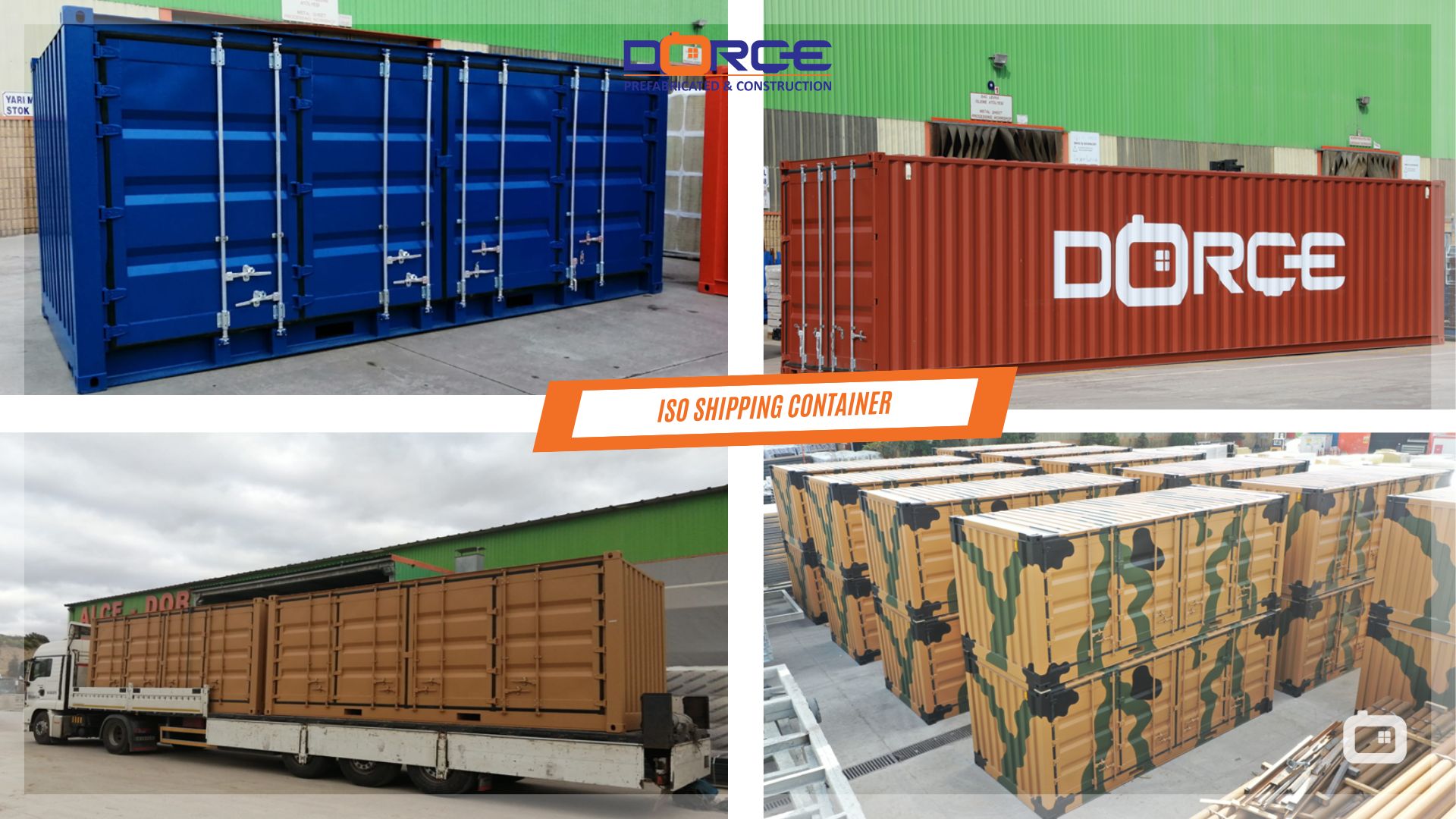
ISO shipping containers are durable load-carrying units manufactured to international transportation standards for use in maritime, land, and rail transport. Made from high-strength steel, these containers undergo cutting, welding, assembly, and cladding processes in the factory. Available in various types such as general cargo, open-top, refrigerated, and tank containers, they streamline loading and unloading processes, enhancing logistics efficiency. ISO shipping containers offer advantages like stackability, secure transport, and long-term durability, making them widely used in commercial shipping and storage.
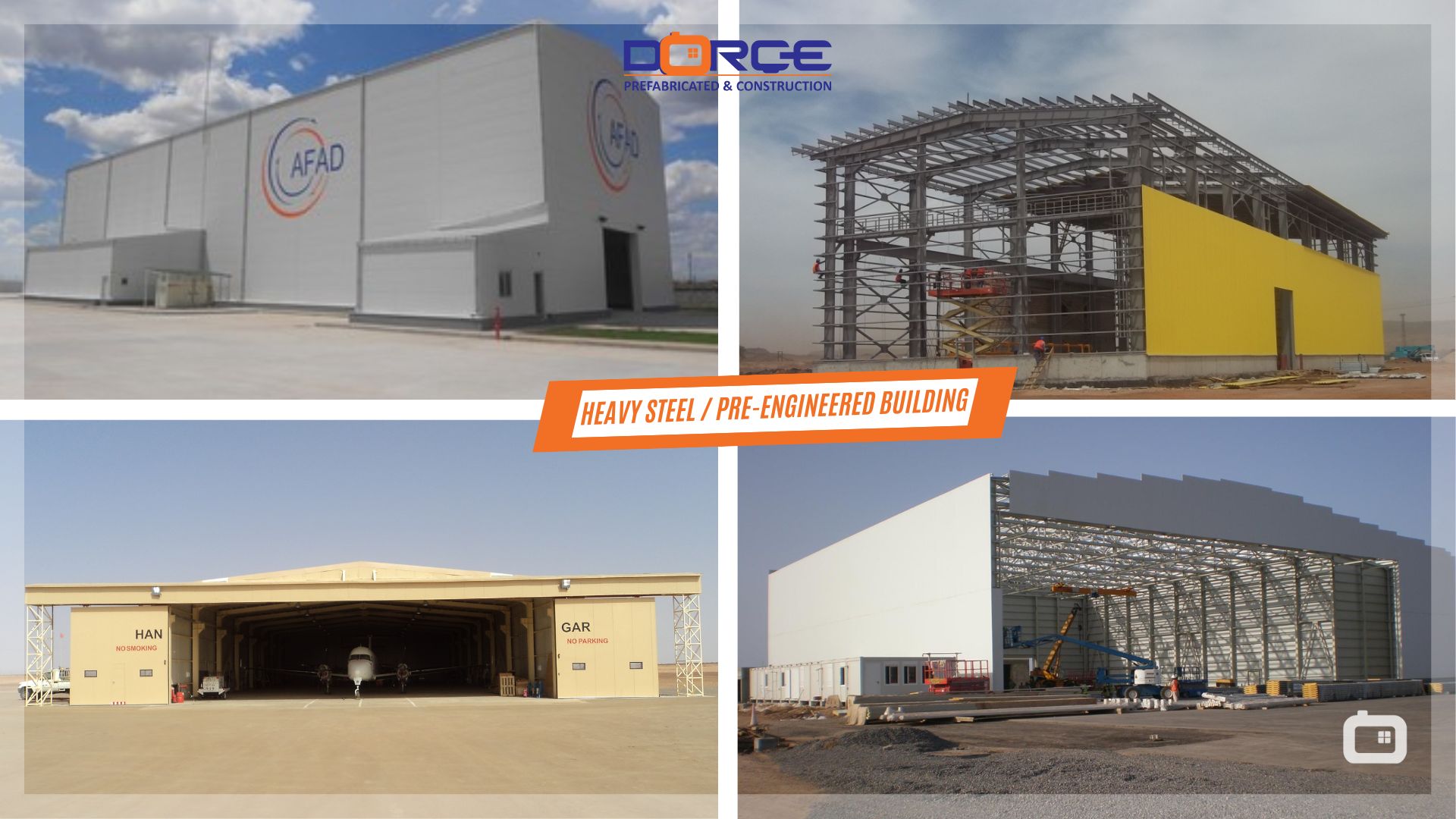
Heavy steel buildings are structures with load-bearing systems made from high-strength steel columns, beams, trusses, and bracing elements. They are commonly used in factories, warehouses, hangars, stadiums, airports, shopping malls, energy facilities, and multi-story buildings where wide spans and high ceilings are required. Steel components are prefabricated in factories and transported to the site for assembly with cranes. The structural frame is then completed with roofing, wall systems, MEP installations, and final finishes, allowing for fast and efficient construction.
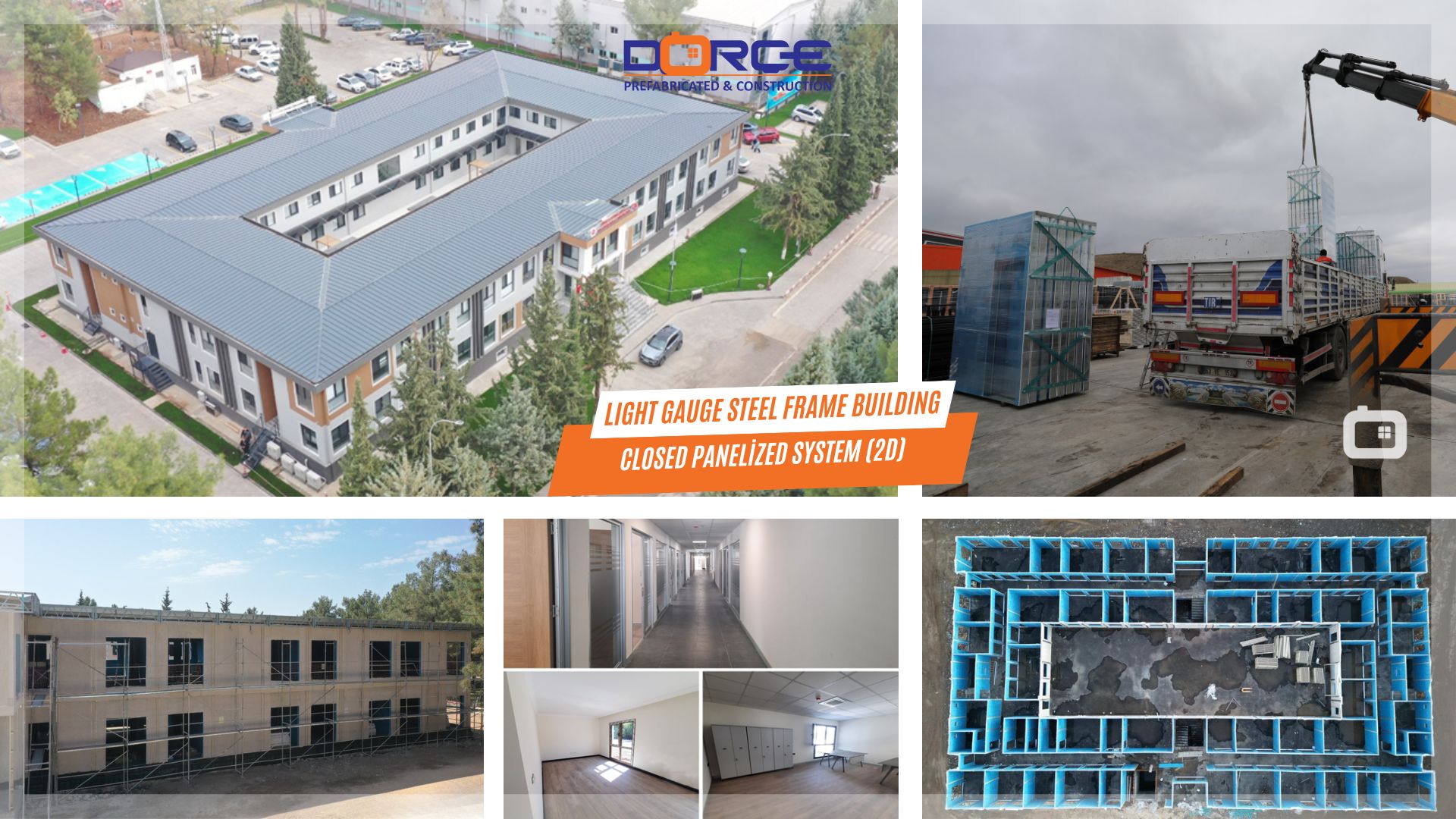
The closed panel system uses light steel profiles (C, U, I, box profiles, etc.) to produce fully assembled panels for exterior/interior walls and roof trusses in the factory. Unlike open panel systems, these panels are pre-equipped with cladding, insulation, and MEP installations. Once transported to the site, they are quickly assembled, requiring only joining and final touches. This reduces construction time and labor costs. Doors, windows, and other elements can also be pre-installed in the factory. With high quality control, speed, and low error rates, the system is widely used in housing, commercial, and industrial projects.
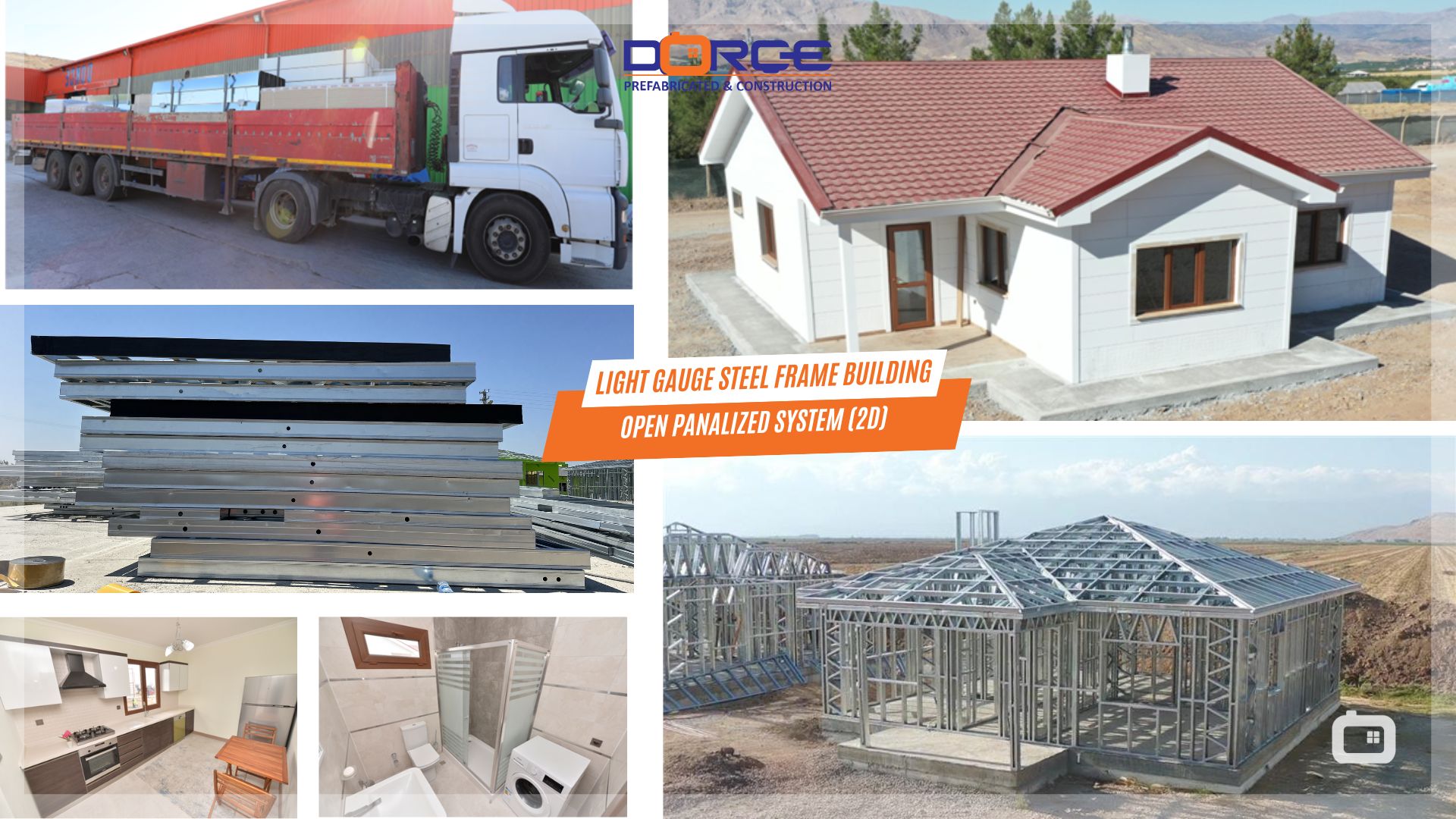
In the open panelized system, light steel profiles (C-profile, U-profile, I-profile, box profile, etc.) manufactured in the factory are assembled into frames for exterior walls, interior walls, and roof trusses in a factory setting. These frames are transported to the construction site, where they are assembled to form the load-bearing framework. Insulation materials are added, electrical and mechanical installations are completed, and the roof, ceiling, walls, and floors are clad with appropriate materials. Doors, windows, and other components are installed on-site to finalize the building.
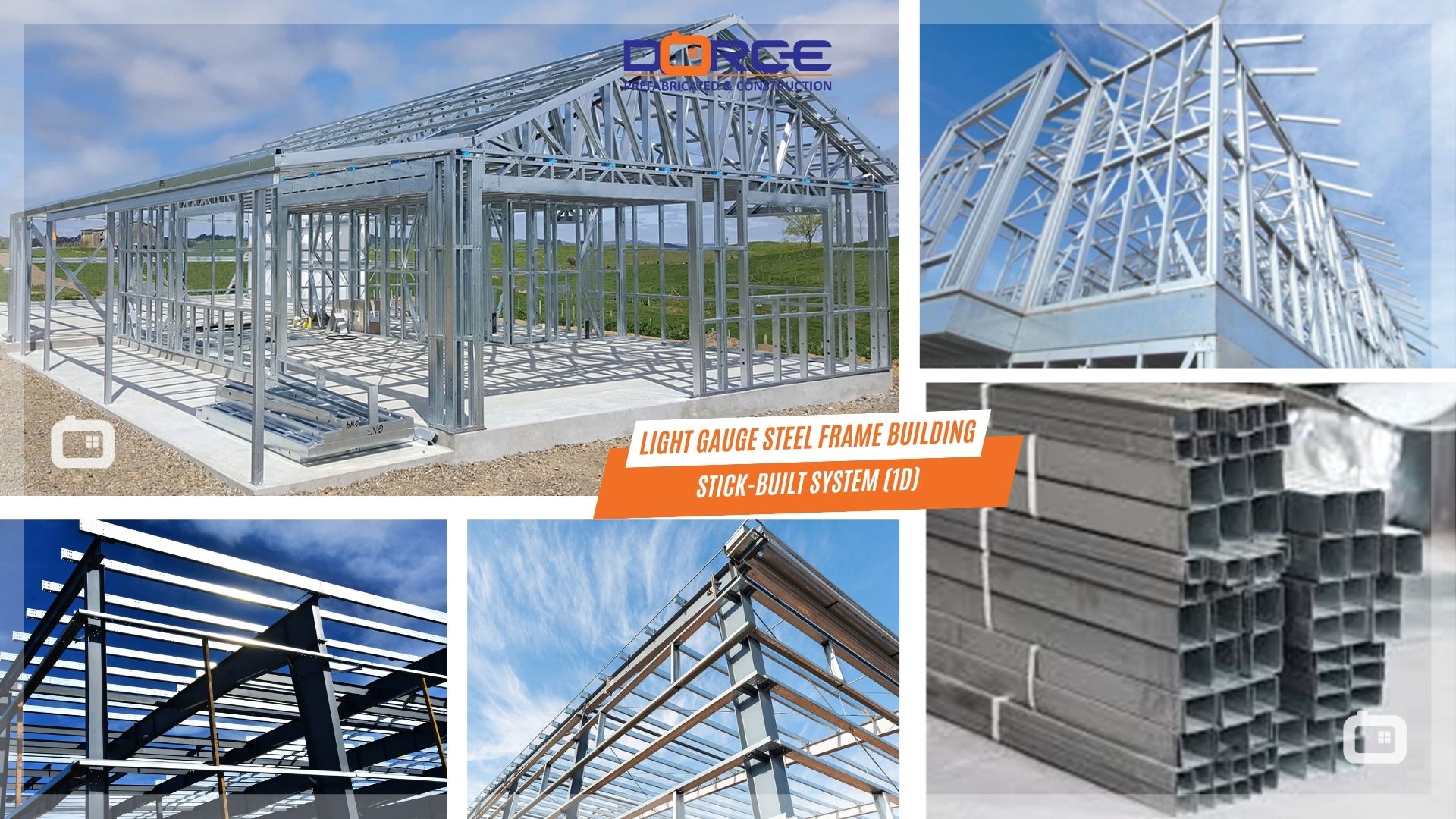
The stick-built system is a light steel construction method where structural elements are assembled on-site. Light steel profiles (C-profile, U-profile, I-profile, box profile, etc.) manufactured in the factory are transported to the construction site and assembled to form the load-bearing framework. Insulation materials are added to this framework, electrical and mechanical installations are installed, and the roof, ceiling, walls, and floors are clad with suitable materials. Doors, windows, and other building components are installed on-site to complete the building.
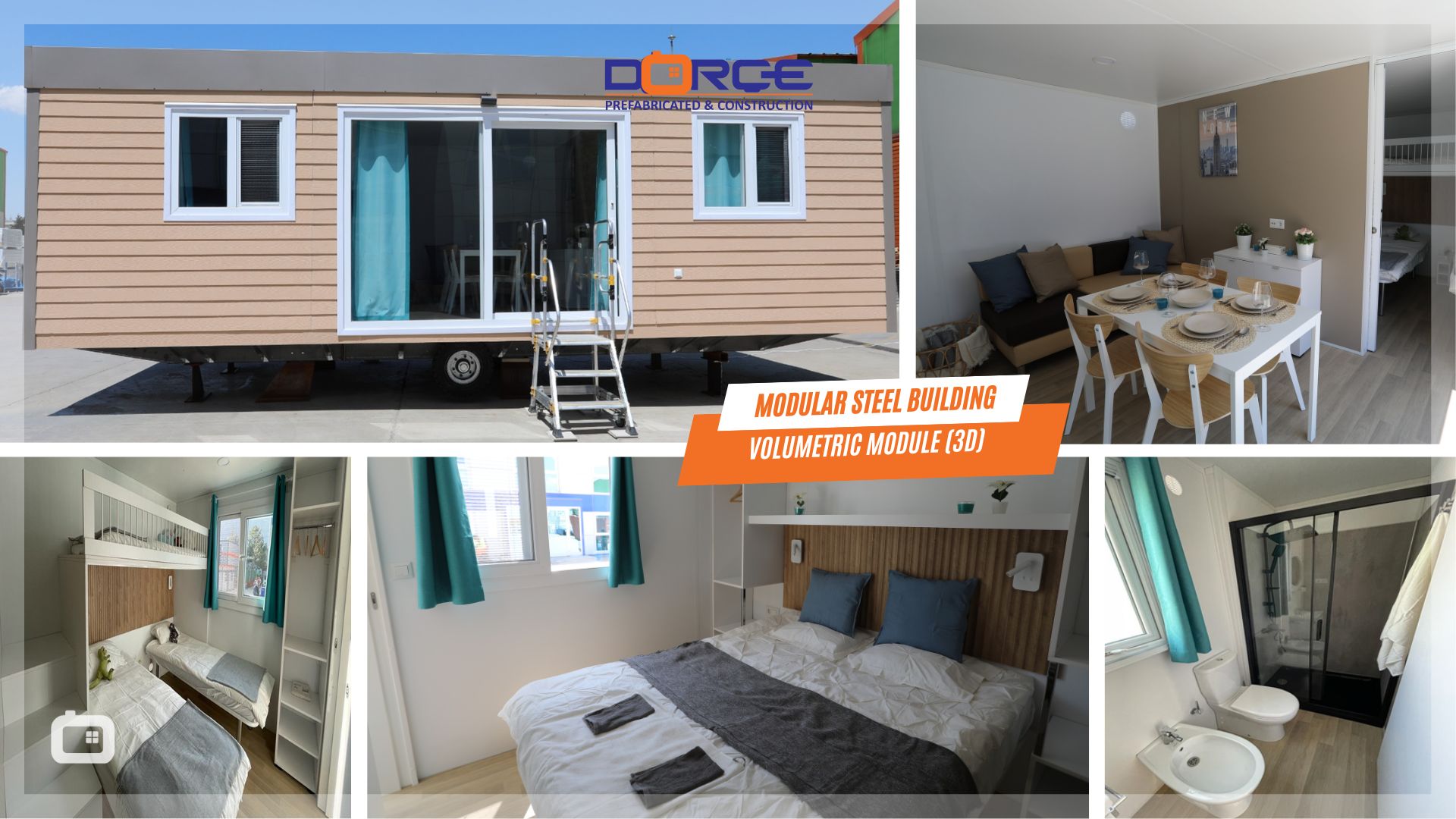
The volumetric module is a fully equipped and completed building unit manufactured in the factory, transported to the site, and assembled. These modules are produced with walls, floors, ceilings, doors, windows, electrical, and mechanical installations fully integrated at the factory. Only assembly is required on-site, significantly reducing construction time. They can be combined side by side or stacked to form different building configurations. Volumetric 3D modules are widely used for housing, offices, hotels, healthcare facilities, and more.
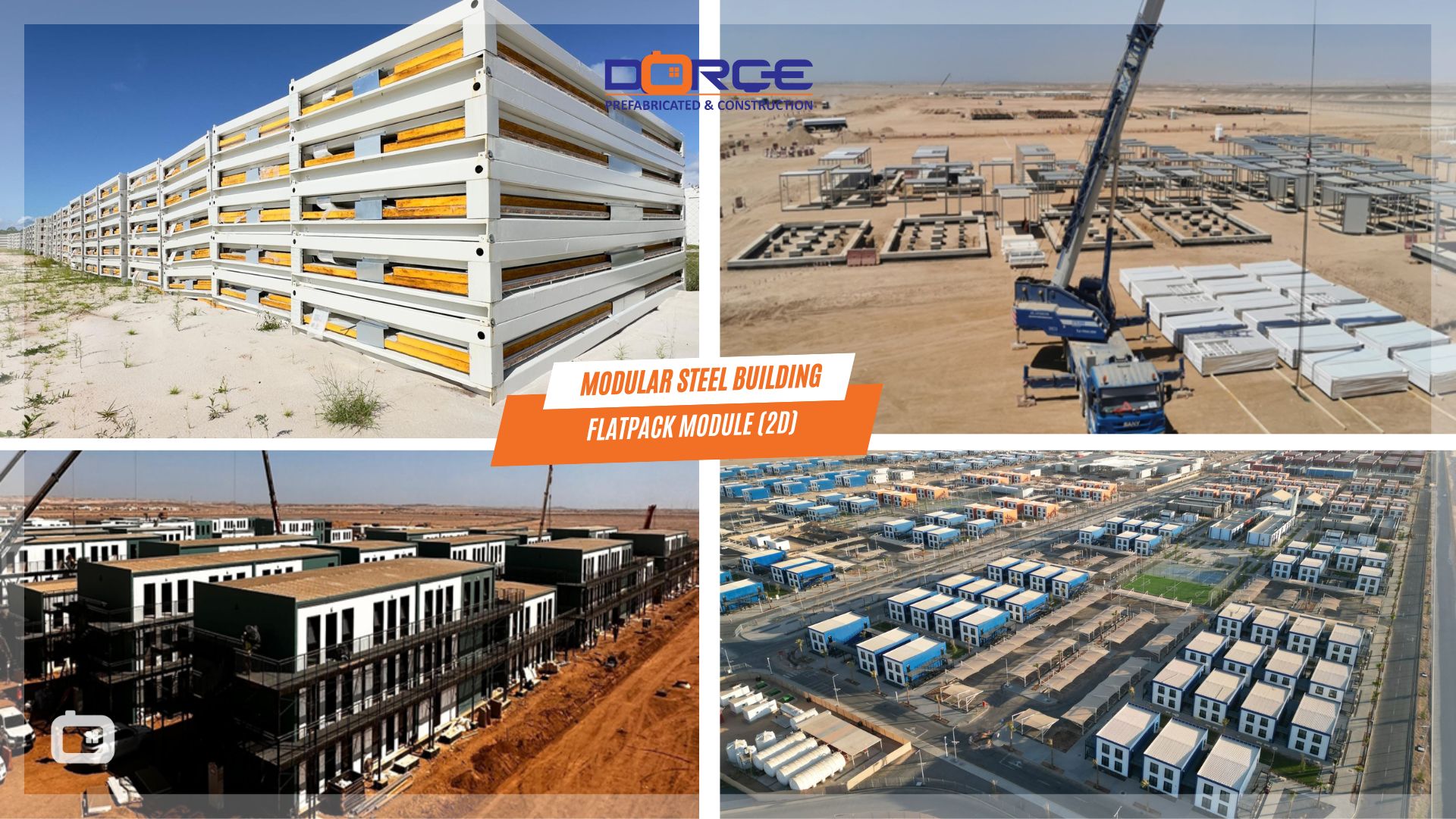
The flatpack module is a product designed to facilitate transportation and provide flexibility during assembly. The base and ceiling chassis, walls, doors, and windows are fully manufactured in the factory, shipped as a package, and assembled into a module at the construction site. These modules can be joined side by side or stacked to create various volumes. They are widely used for applications ranging from housing to offices, hotels, and healthcare facilities.
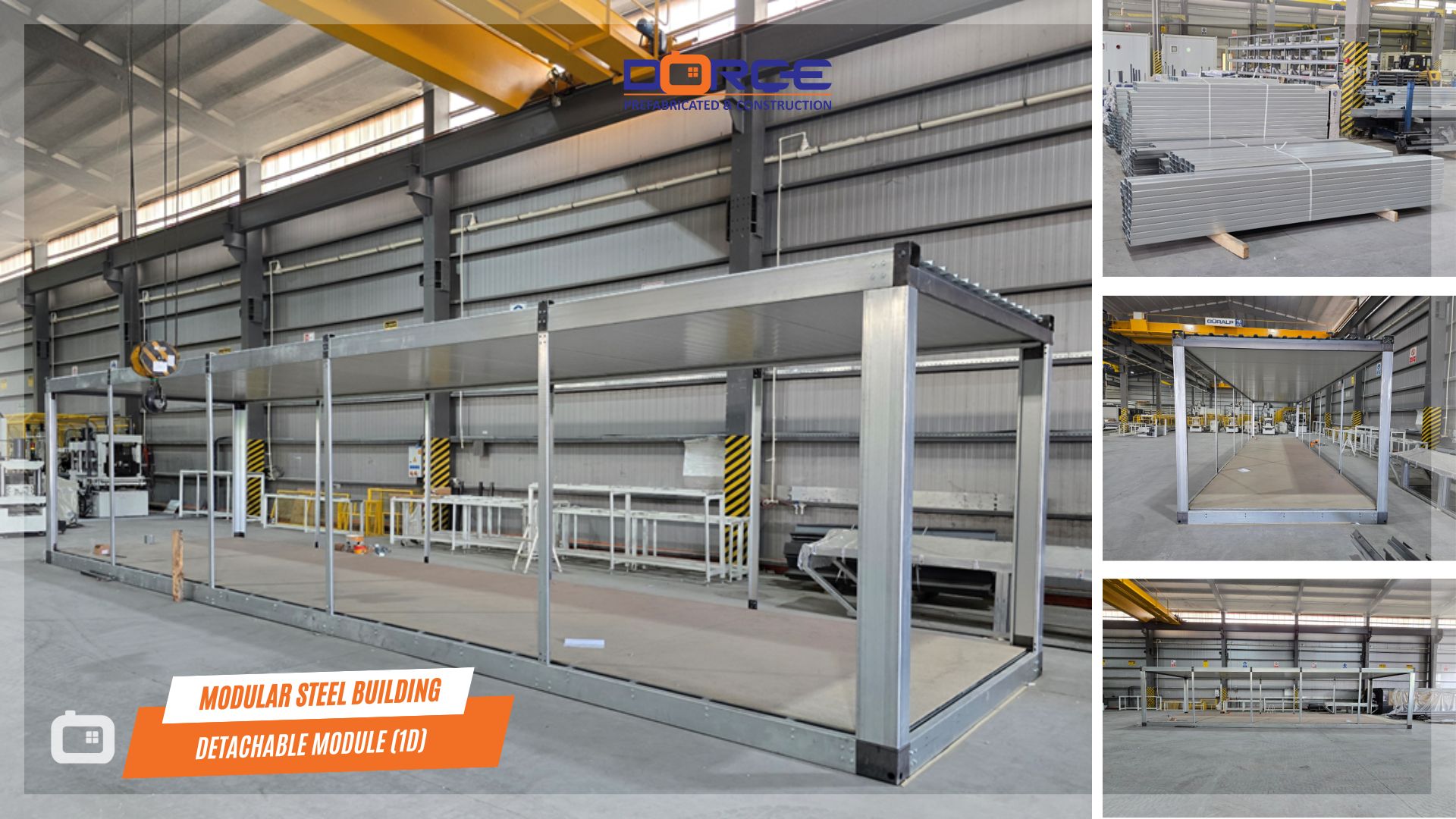
The detachable module is a product obtained by shipping independent profiles (e.g., C-profile, U-profile, I-profile, box profile) of various sizes, wall elements, insulation materials, doors, windows, and other module components to the construction site, where they are assembled to form the module. Mechanical joining methods such as screws, interlocking, or magnetic connections are used.
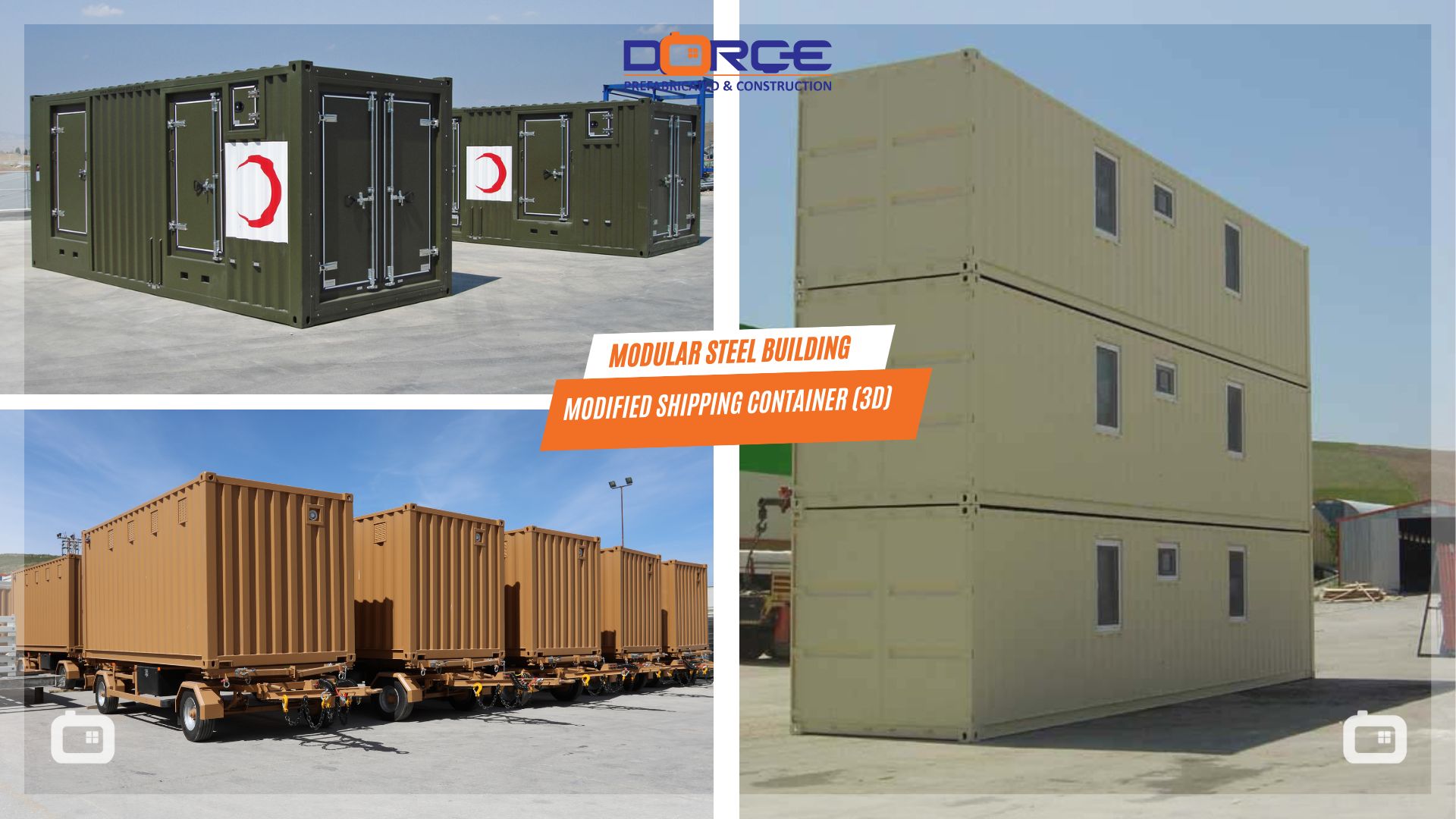
A modified shipping container is a standard maritime shipping container customized in design and functionality for a specific purpose. While retaining its load-bearing capacity, it is transformed into a modular product such as a room, bathroom, or kitchen.








Mobile Applications